
The Allure of Risk in Casino Gambling
The psychology behind casino gambling is heavily intertwined with the allure of risk. Many individuals are drawn to the thrill of betting, where the possibility of winning transcends the mundane aspects of daily life. This risk-taking behavior is often motivated by the brain’s reward system, which releases dopamine—a neurotransmitter linked to pleasure and satisfaction—when a person engages in gambling activities at no kyc casinos , where the unpredictable outcomes foster an adrenaline rush that can feel exhilarating, creating a powerful desire to chase that high repeatedly.
This craving for risk can also stem from various personal and social factors. For some, gambling offers an escape from reality or a means to cope with stress or dissatisfaction in other life areas. The social environments found in casinos amplify this appeal, as they create a shared experience among players, adding a layer of excitement and camaraderie. This communal aspect can foster an exhilarating atmosphere, often making individuals feel as if they’re part of something bigger, reinforcing their desire to participate and engage with games of chance.
Furthermore, the psychology of risk-taking in casinos can lead to a phenomenon known as “loss chasing.” This occurs when individuals continue to gamble in the hope of recovering losses, driven by cognitive biases that cloud their judgment. Gamblers may believe they can turn their luck around, often ignoring statistical realities. This behavior highlights how psychological factors can lead to patterns of behavior that may be detrimental, establishing a cycle that can be hard to break. Such dynamics can trap individuals in an ongoing battle against their impulses, making it crucial to understand the underlying psychological mechanisms.
The Role of Cognitive Biases
Cognitive biases significantly influence gambling behavior, often leading players to make irrational decisions. One common cognitive bias is the “gambler’s fallacy,” where individuals mistakenly believe that past outcomes will impact future results. For instance, a player might think that after a series of losses at a slot machine, a win is due. This misunderstanding of probability can lead to excessive gambling, as individuals cling to the false hope that their luck will inevitably change. Such biases can distort rational thinking, making it challenging for individuals to recognize the true odds at play.
Another bias is the “illusion of control,” where gamblers believe they can influence outcomes, despite the inherent randomness of casino games. This belief often leads individuals to engage in superstitious behaviors, such as wearing lucky clothing or following specific routines while gambling. These habits may provide players with a sense of empowerment, even though the games are designed to be entirely based on chance. This false sense of control can deepen their emotional investment in the activity, reinforcing their engagement even when faced with losses.
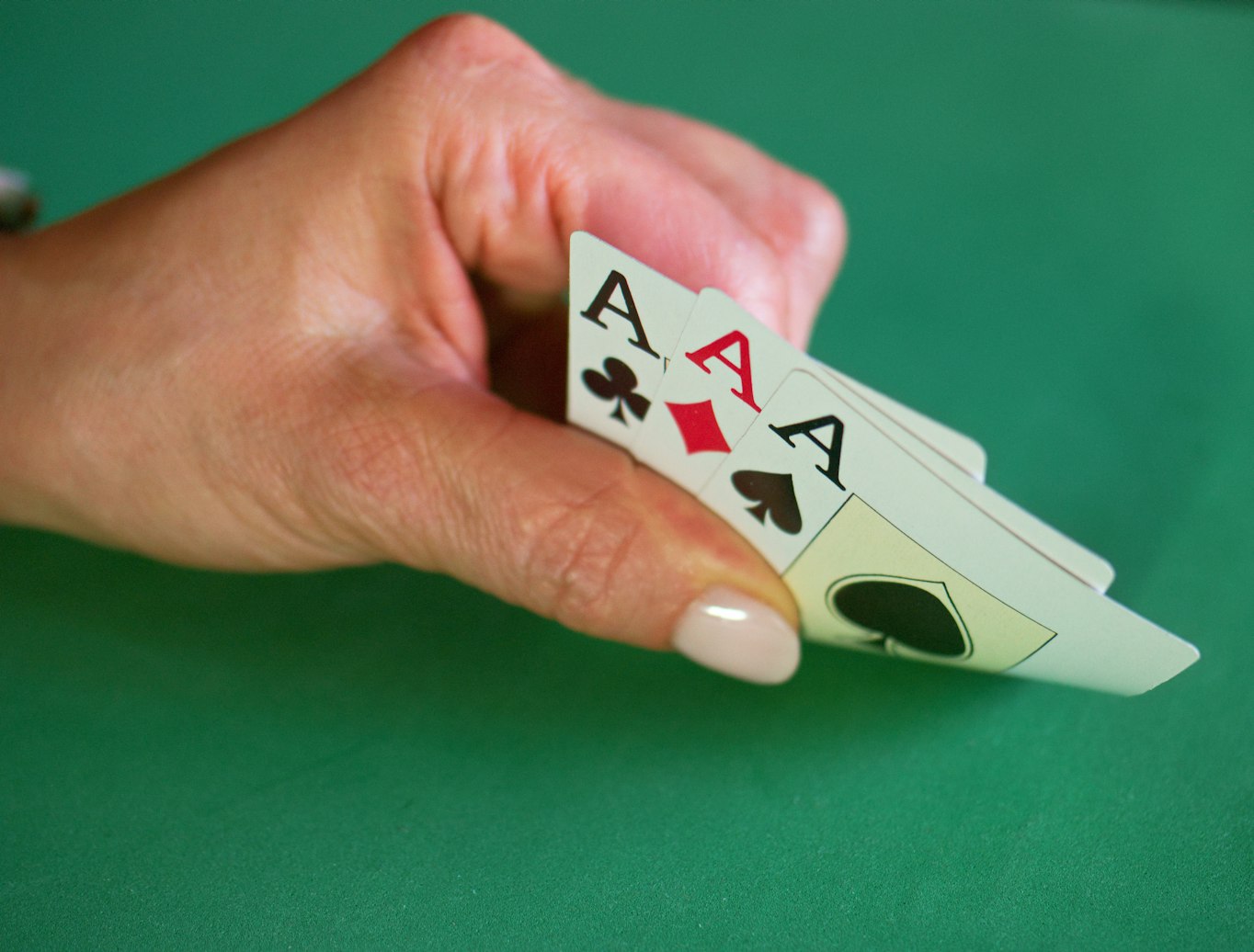
Additionally, promotional strategies employed by casinos further exploit cognitive biases. By offering rewards such as free drinks, loyalty points, or seemingly favorable odds, casinos create an environment that keeps players engaged and returning for more. This relationship between marketing tactics and cognitive biases underscores how psychological principles are harnessed to encourage gambling behavior, often at the expense of the players’ financial well-being. Understanding these biases can empower individuals to approach gambling with a more analytical mindset, potentially reducing the risks of addiction.
The Influence of Environment on Gambling Behavior
The environment in which gambling takes place plays a crucial role in influencing behavior. Casinos are meticulously designed to create a stimulating atmosphere that encourages players to stay longer and spend more. Elements such as lighting, music, and even the layout of the gaming floor are carefully curated to enhance excitement and minimize awareness of time and money spent. This environment fosters a state of flow, where players become completely absorbed in their experience, often leading to extended gambling sessions. The ambiance is engineered to keep participants engaged in high-stakes scenarios, reinforcing their desire to continue playing.
Moreover, the social dynamics at play in a casino environment can amplify the effects of gambling. The presence of other players and the energy within a casino can create a sense of camaraderie, making individuals feel more comfortable and inclined to participate in gambling activities. This social reinforcement can lead to increased risk-taking as players draw encouragement from watching others win or engage in high-stakes bets. The collective atmosphere can create a feedback loop, where one player’s success inspires others to take greater risks, perpetuating the cycle of gambling behavior.
The psychological impact of the casino environment can also extend to the concept of “near misses.” This occurs when players come close to winning but ultimately lose, which can create an emotional response that motivates them to continue playing. The design of slot machines often incorporates these near misses, making it feel as if a victory is just within reach, thus perpetuating the cycle of gambling. Understanding how environment influences behavior sheds light on why many individuals find themselves drawn back to casinos despite negative experiences, highlighting the need for awareness and caution in such settings.
The Impact of Emotional States on Gambling Decisions
Emotional states significantly influence gambling decisions, often dictating when and how much individuals wager. For many, gambling can serve as both a form of escapism and a coping mechanism, allowing them to temporarily alleviate feelings of anxiety, depression, or boredom. In moments of heightened emotion, whether it be excitement, sadness, or anger, decision-making capabilities can become impaired, leading to impulsive actions that are inconsistent with an individual’s usual behavior. This emotional volatility can skew judgment, often resulting in regrettable choices.

Studies indicate that individuals in positive emotional states are more likely to engage in risk-taking behavior compared to those who are feeling down. This connection highlights the role of emotions in decision-making processes within gambling contexts. Players may be more inclined to chase losses or make larger bets when experiencing euphoria, believing that their good fortunes will continue. Conversely, those facing negative emotions may gamble in an attempt to escape, often leading to further financial harm. Understanding these emotional triggers is vital for developing strategies to mitigate compulsive gambling.
Understanding the relationship between emotional states and gambling can also inform responsible gaming initiatives. By recognizing that emotions can significantly sway decisions, casinos and organizations can work to promote healthier gambling habits. Implementing resources that encourage players to reflect on their emotional motives for gambling can lead to more informed choices and ultimately minimize the risk of developing gambling-related issues. This proactive approach can empower individuals to recognize when their emotional states may be influencing their gambling behavior.
Understanding Gambling Addiction and Its Consequences
Gambling addiction represents a significant psychological concern, as it can lead to severe emotional and financial consequences for individuals and their families. The compulsive nature of gambling addiction can stem from several psychological factors, including innate tendencies toward risk-taking, cognitive biases, and the influences of environment. Many individuals find themselves trapped in a cycle of gambling where the short-term thrill is outweighed by long-term regret, often leading to detrimental impacts on their personal and professional lives. Understanding these patterns is crucial for developing effective interventions.
The symptoms of gambling addiction can manifest in various ways, including preoccupation with gambling, withdrawal symptoms when not gambling, and unsuccessful attempts to cut back or stop. These behaviors create a vicious cycle, where the gambler feels compelled to continue in order to relieve stress or anxiety, often leading to financial ruin. Relationships can also suffer as trust erodes, and loved ones become impacted by the individual’s gambling habits, leading to isolation and distress. These consequences highlight the need for comprehensive support systems for those affected.
Addressing gambling addiction requires a multifaceted approach that includes psychological support, education, and access to resources for recovery. Interventions may involve therapy, support groups, and proactive gambling policies aimed at minimizing harm. Recognizing the psychological underpinning of gambling addiction can aid in developing effective prevention and treatment strategies, ultimately helping individuals reclaim control over their lives and make healthier choices regarding gambling. By fostering a greater understanding of these issues, society can work towards reducing the stigma surrounding gambling addiction and promoting recovery.


